
Our R&D credential and Sustainability
From consulting and strategy development to implementation and support, our comprehensive services can help your business thrive.


Credibility




Bio-Base Material
A regenerative material is a material specifically designed to be recovered and reprocessed at the end of its service life to create new products. These materials are often discussed within the framework of a circular economy, but this concept encompasses broader systemic principles. While the definition can include many conventional materials like metals and glass, in contemporary usage it typically refers to materials that have been engineered or systematically integrated into dedicated recovery streams. Materials that are merely durable or reusable may be described differently. Regenerative materials fall under the broader category of circular products, which includes goods, components, and systems designed to eliminate waste and circulate resources indefinitely.
Biodegradable Fabrics
A biodegradable material is defined as a substance capable of undergoing complete breakdown into naturally occurring substances—such as water, carbon dioxide, biomass, and minerals—through the biochemical action of microorganisms under specific environmental conditions. Unlike conventional materials that persist in the environment, biodegradable types are designed to be assimilated back into natural cycles without leaving harmful residues. This process, often driven by bacteria, fungi, and enzymes, transforms the material over time into elements that can be safely reintegrated into ecosystems. Commonly used in packaging, disposable products, and agricultural applications, biodegradable materials represent a critical pathway toward reducing long-term waste and supporting a restorative ecological system.
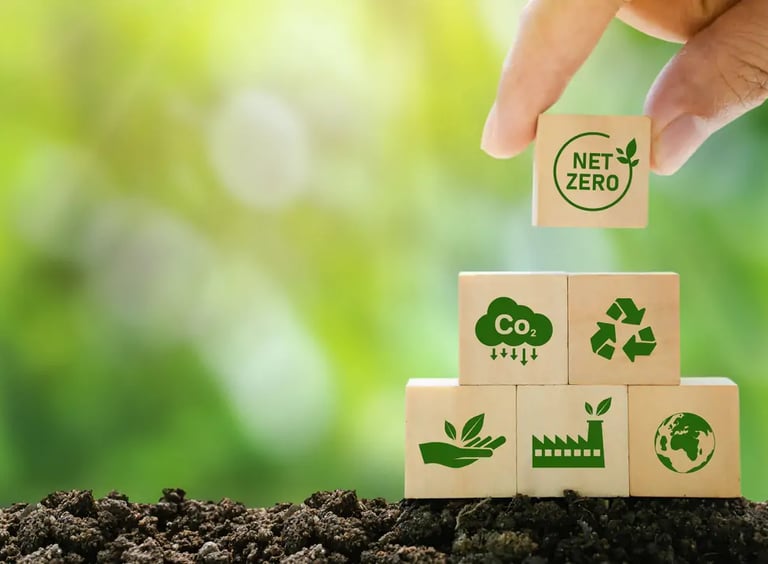
We Care About Our Motherland
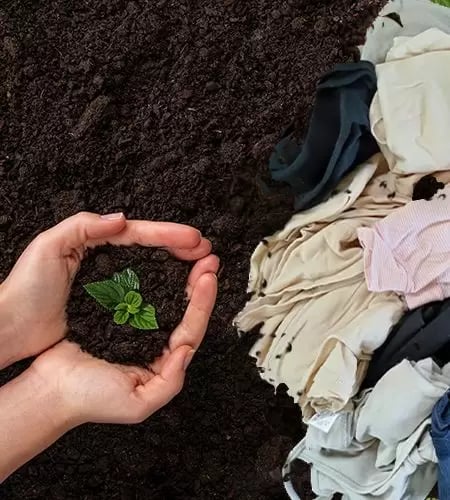
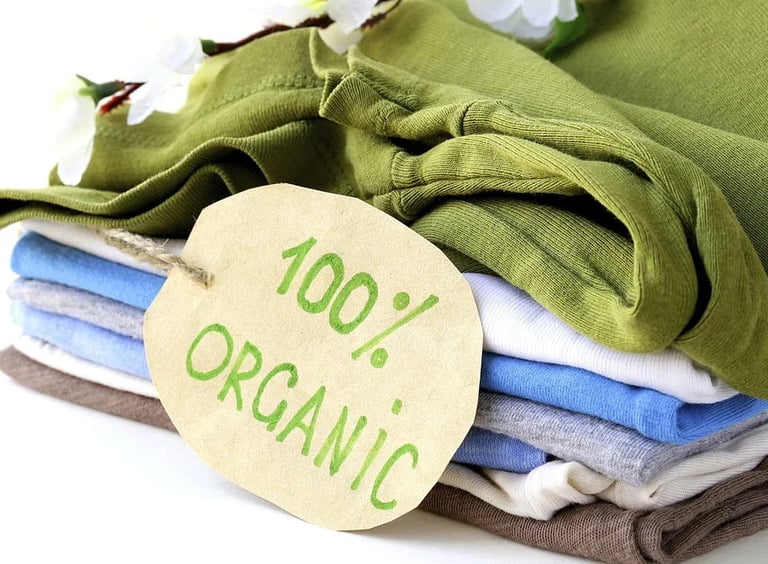
Organic Material
Organic material refers to any substance derived from living organisms and produced through certified organic agricultural methods. This means it is cultivated without synthetic fertilizers, pesticides, or GMOs, following strict ecological standards. Often applied to fibers like cotton, wool, or hemp—as well as biobased materials—it must typically be tracked from source to finished product to ensure integrity at every stage. By choosing organic materials, we support farming that enriches soil, protects biodiversity, and promotes a non-toxic ecosystem.
Recycled Fabrics
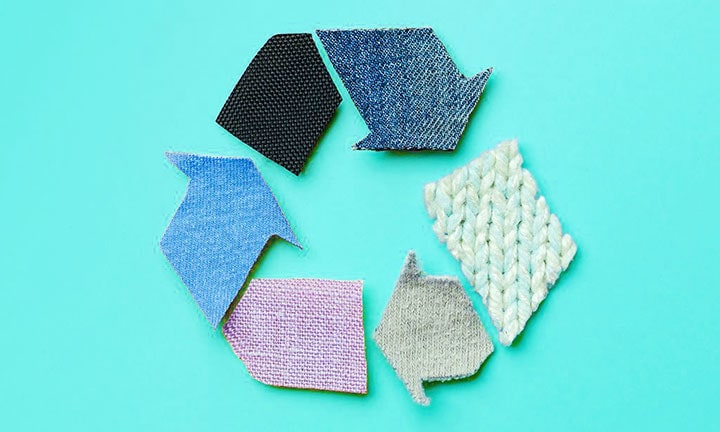
Recycled fabric is made by processing waste materials—such as plastic bottles, discarded clothing, or industrial textile scraps—into new fibers and yarns. This transformation conserves resources, diverts waste from landfills, and supports a circular economy. By choosing recycled fabrics, we give existing materials a renewed life, reducing the environmental impact of textile production.
What We Offer For The Earth?